

The first draft is never wasted
You can only truly begin once you finish
This is a cross-post between two of my Substacks; The Reading Edge by Storygram1, and For What Joy. While they have differing audiences (the first is about motivating kids to read, and the other is a music group) I felt that the overriding message—that nothing you create is wasted—was suitable to both. I hope it encourages you.
Graham
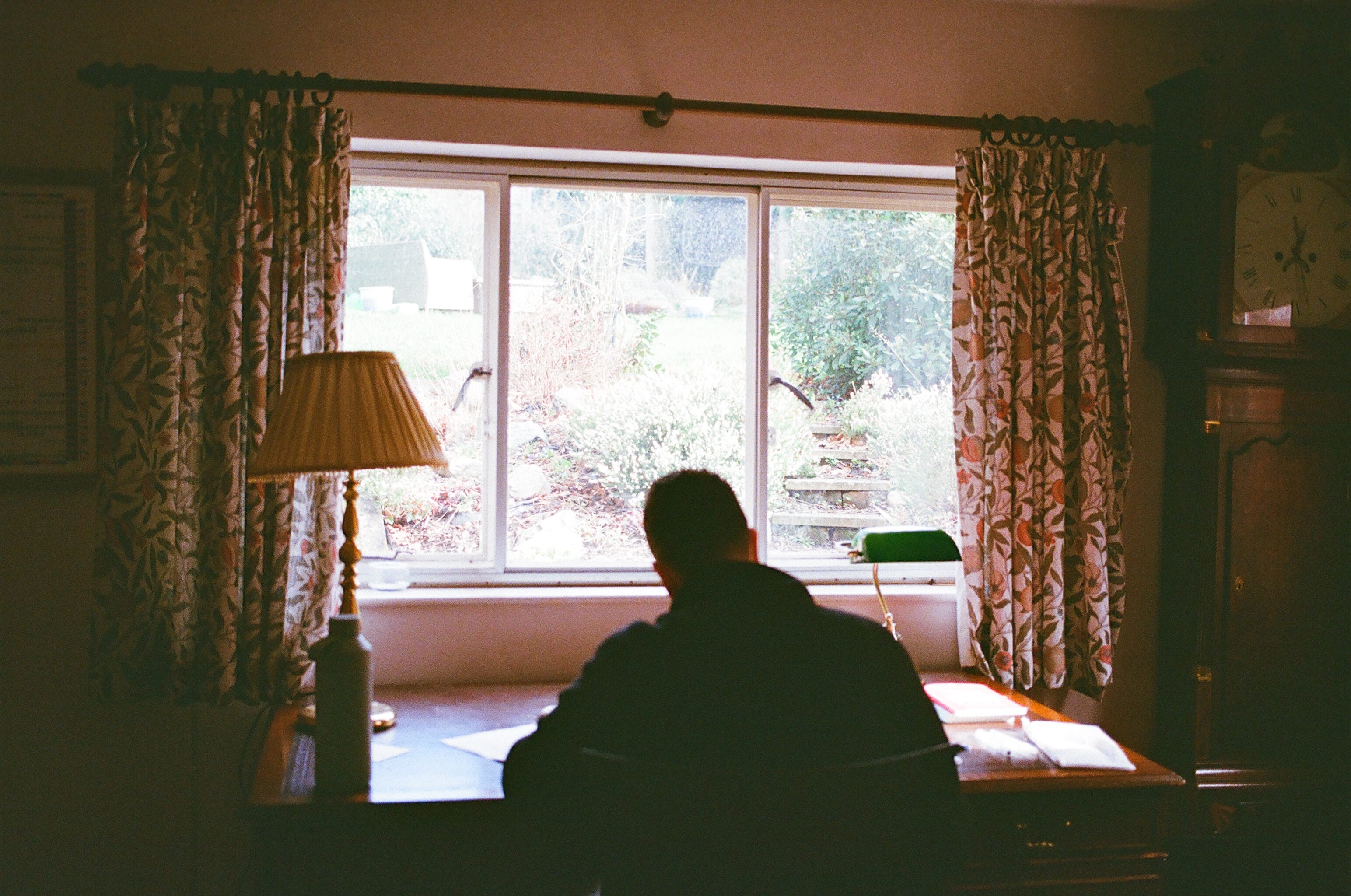
The first draft is never wasted.
Even if you completely rewrite, overhaul, gut and butcher that draft until nothing recognisable is left, it was still worth doing.
The first draft of a song
Towards the end of 2025, I decided to write a Christmas song. The first draft of this song was recorded as a voice note was a bit all over the place. (In fact, in an act of ego-sabotage I’ve put the audio at the bottom of this post).
It’s typically morose (my wife keeps asking me to write in a major key but so far I’ve resisted) but also has some gently vibey Luther Vandross-esque stuff and a couple of tasty chords that I’d just learnt to play on the piano.
I sent the voice note to a few trusted friends and nervously waited for their take on it. This is always the worst part; waiting to see what others think. And it’s one of the keys to the first draft - having something to get feedback on. You may be able to ‘sell’ an idea to friends and family, but until it’s on paper, it’s just an idea.
** Quick sidebar: in hindsight, it was a mistake to write a Christmas song in November. Here in the UK at least, Christmas songs are playing on the radio well before autumn has laid down it’s last pumpkin-spiced latte. Any pro will tell you it’s way too close to release time, but, at least by the end of this post you’ll be aware that I’m anything but a pro. **
The feedback came through, and was (mostly) pretty positive. Hallelujah! But I sat down with my buddy Pete Mills (a super talented musical man gifted with both creativity and clear-thinking, which makes him a very useful person to bring onto any project) and we thrashed through the first draft over beers. We chipped away here and there, cutting a bunch of stuff (including the Luther Vandross bridge, sob), tightened it up, added some even tastier chords, and at the end of the evening I got Pete to play a version of the track to a click on my keyboard. He did it in one take, of course.
(This was perhaps a lil’ cheeky, like when MJ got Eddie Van Halen to solo over ‘Beat It’ and then never credited/paid him. A bit like that.)2
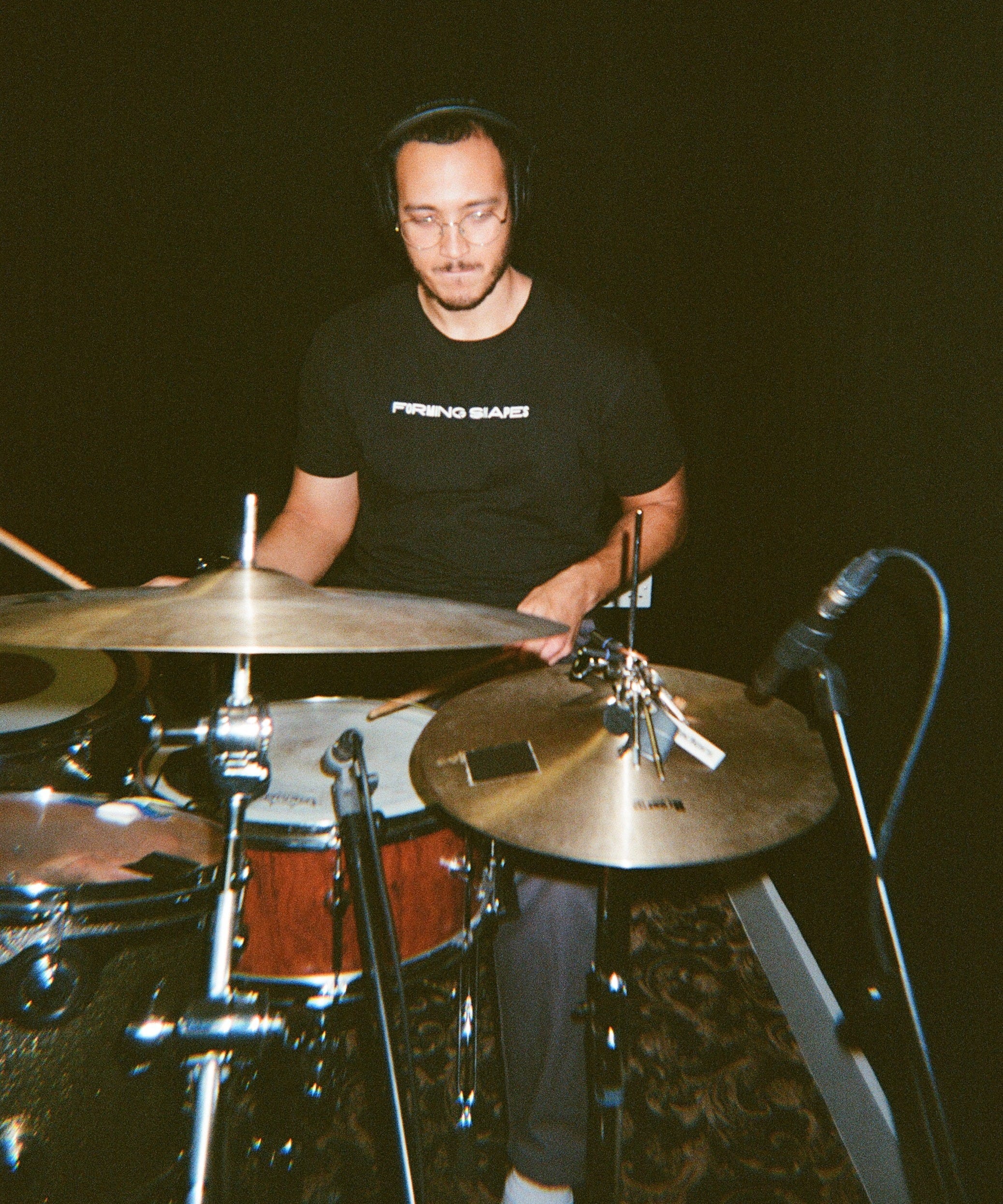
From Pete’s piano track, I recorded vocals with Zoë (the studio was in a railway arch, so I had to re-record those later too, d’oh)3 and then drums with Riley in another studio in North West London. Eventually, I mixed it all and got it out about ten days before Christmas.
Get to the point, man: the first draft, even if it’s embarrassing and mortifying to listen back to, is at least something tangible that has value. It’s something to build on, change, adjust, or tweak. Without it, you just have an idea. And ideas are cheap.
The first draft of a book
Last week I took a trip to a cottage in Suffolk to spend the week working on the Storygram book.
(Storygram is a project I’m running to help parents with curated resources, ideas, strategies and research to motivate their kids to read. I’ve been working towards a book that gives a bunch of actionable ideas for busy parents to try).
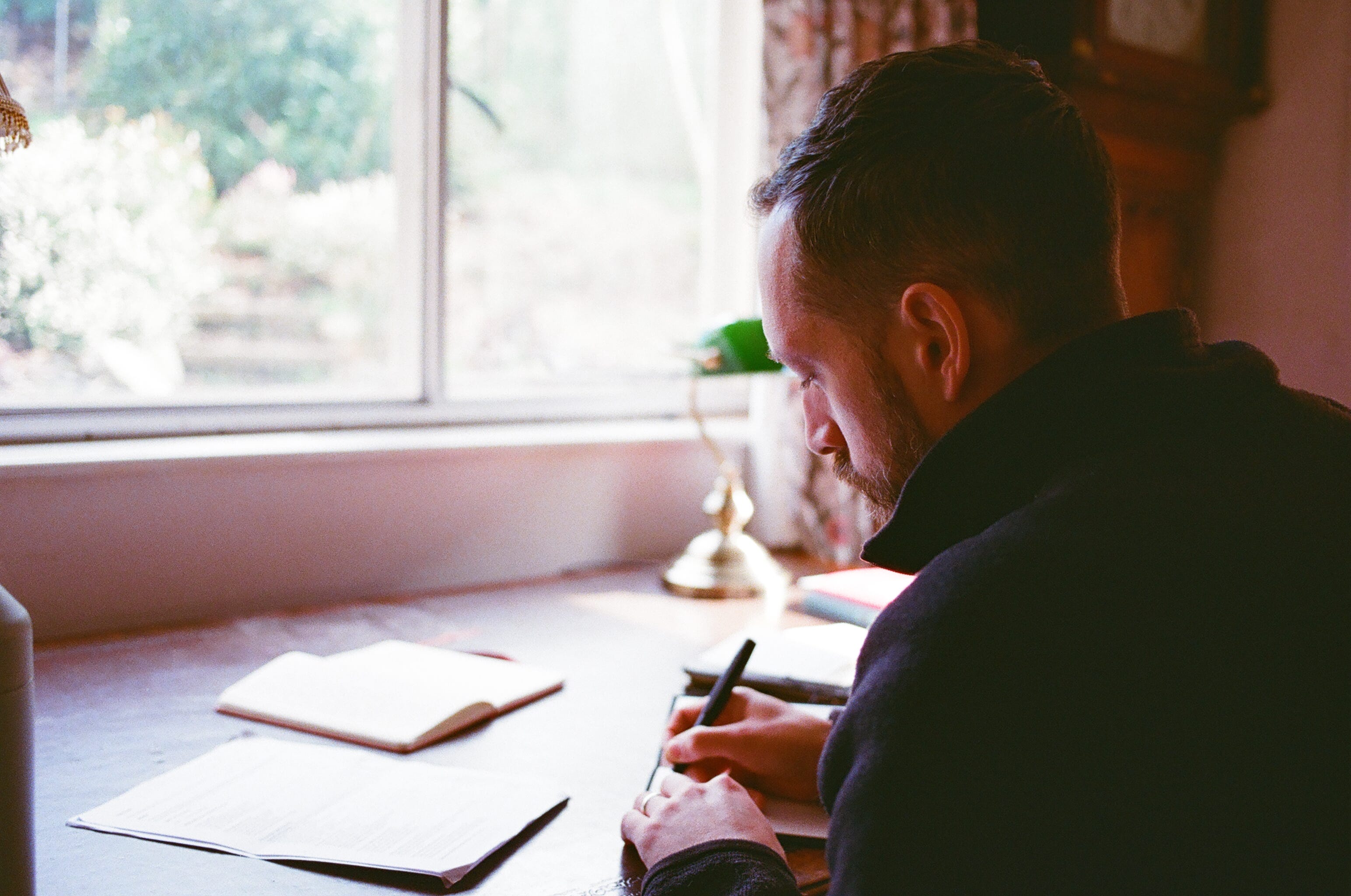
Fresh notebook in hand,4 ink cartridge replaced (I write drafts by hand like I’m Tolkien or something — I am just missing a pipe) I proceeded to plow through the first section of the book, which contains the most actionable stuff.5
I wrote 9 chapters in a week, clocking in at around 50k words. This is, by far, the most writing I’ve ever done in one go.
Sugar my puffs, that’s a lot of words. Check it off the list, job done, right?
Not so fast.
Throughout the week, as I added to my frankly heroic word count, a creeping thought was dawning, like a red sky in the morning6. I was increasingly concerned that what I was writing would seem preachy and advisory. It was beginning to read like I was some kind of parenting guru offering infallible know-how.
If you know me at all, you’ll know that my know-how is actually quite fallible.
Storygram was never intended to appear as me being the one with all the answers, but rather to utilise my interests and passions (reading and writing in this case) and even more importantly the time I have available to explore something that tired and busy parents may well not have the time to delve into.
Why press on for 9 chapters and 50,000 words if I thought my approach was wrong? That’s the crux of this post — I could have restarted, strategised, spent the week rethinking my approach. But I wanted to get all my writing down and then wrangle with it. While it’s all in my head, the wrangling is impossible, like lassoing a cloud.
Through the process of this first draft, I made a few important discoveries:
My tone and approach is critical. I am curating and presenting ideas rather than issuing authoritative tracts, and need to ensure I don’t veer into preaching.
I want the book to have variety in its presentation - narrative, dialogue, interviews, research. Rather than a direct author to reader self-help download, I want to share what other parents have tried, what’s worked and what hasn’t.
I believe I have an opportunity to produce a variety of online and offline materials and resources that will make the actionable ideas more practical for the busy parents I’m trying to help.
None of this detracts from the initial draft, but instead builds upon it. I can rethink the style of my communication, and will be looking to flesh out what I’ve written with stories, parent experiences, and research to make the book far more engaging.
No creative work comes out fully formed

The first draft is the foundation that any creative work is built upon. It may not be obviously present to anyone else, but it is right there, deep in the roots.
A statue starts life as a literal lump of rock. Over time, this block is chipped, cut, carved away at with increasing finesse until it takes its full shape. A block of marble is nice enough, but people will travel around the world to look at Michelangelo’s David.
Here’s my encouragement: press on with your first draft. Whatever your project is, get your first version done. Even if you begin to hate it as you’re making it, that’s okay7. Push past the doubts. They may be correct, but press on.
Because once the first draft is finished, then you can really begin.
Nothing comes out fully formed, perfect. Paradoxically, it’s in the process of making something that we discover what we’re making. And we often discover something of ourselves along the way.
Bonus for keenos
Thanks for reading all the way to the end… your reward (or punishment?) is to listen to the first draft vs finished article of Beneath the Stars, my Christmas song.
Here’s the voice note:
And here’s the finished article:
Until next time,
Graham
Yeah… another week, another name change. I do love a good rebrand - more on The Reading Edge in another post.
I did credit Pete though for both performance and songwriting, so the comparisons with MJ can stop right there, thanks very much.
Seriously, don’t bother recording at Pirate Studios Notting Hill - whoever thought putting a recording studio under a busy train line needs a good talking to.
Every time I start something new, I buy a new notebook. I know, I’ve got a problem.
I want readers to be able to jump into the ‘how’ right off the bat - they can read up on the ‘why’ later if they wish.
Shepherd’s warning.
In fact, I’m beginning to think that hating your own work is part of the process.
Does that mean the reverse too - if you buy a notebook you'll start something new? So if we give you a notebook that means a new project might come?? :D